The Faculty of Geography of the University of Bucharest organized the 3rd edition of the Conference “Geographical Sciences and Future of Earth – GeoEarth 2025”
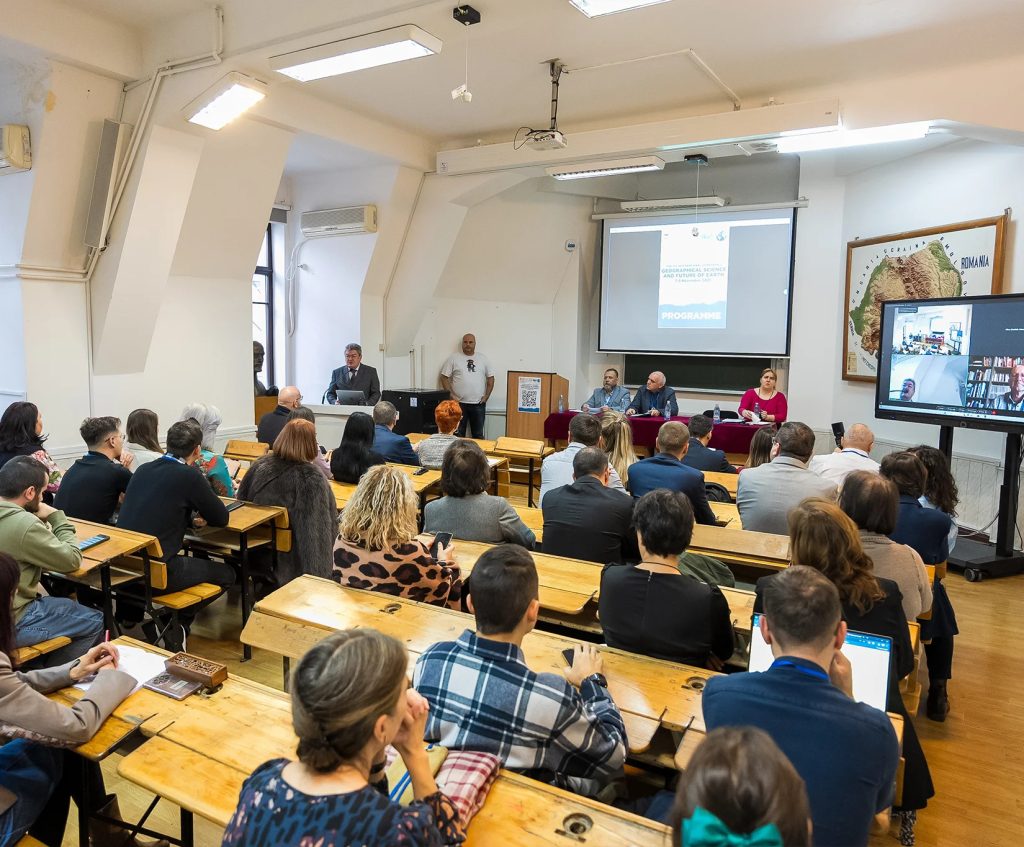
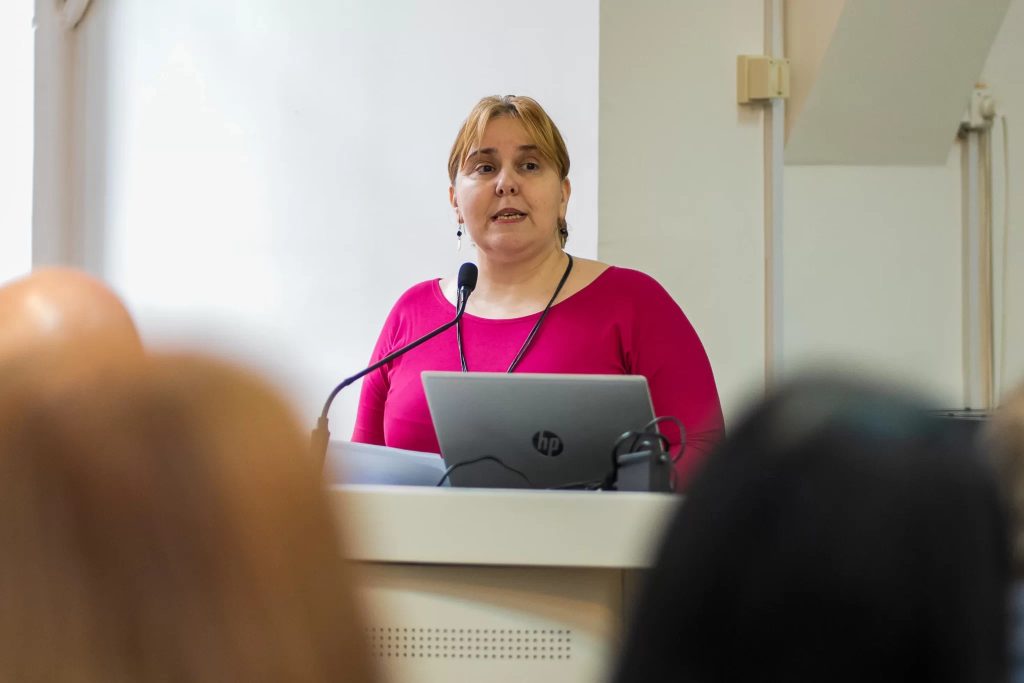
The Faculty of Geography of the University of Bucharest hosted, on November 7, 2025, the 3rd edition of the Geographical Sciences and Future of Earth Conference (GeoEarth 2025), a landmark event dedicated to contemporary geographical research and interdisciplinary dialogue. Organized by the Department of Geomorphology–Pedology–Geomatics, the event continues the tradition of the previous editions in 2017 and 2021 and is integrated into the program of the Annual Conference of the Faculty of Geography.
The conference brought together academic staff, researchers, doctoral students and specialists from pre-university and specialized institutes, providing a framework for debate and reflection on the role of geography in understanding environmental dynamics, landscapes, socio-economic processes and complex interactions between humans and nature.
The event aimed to promote the exchange of ideas, support applied research and present recent results in the context of the current major challenges generated by climate change, anthropogenic pressures and the transition to sustainable development.
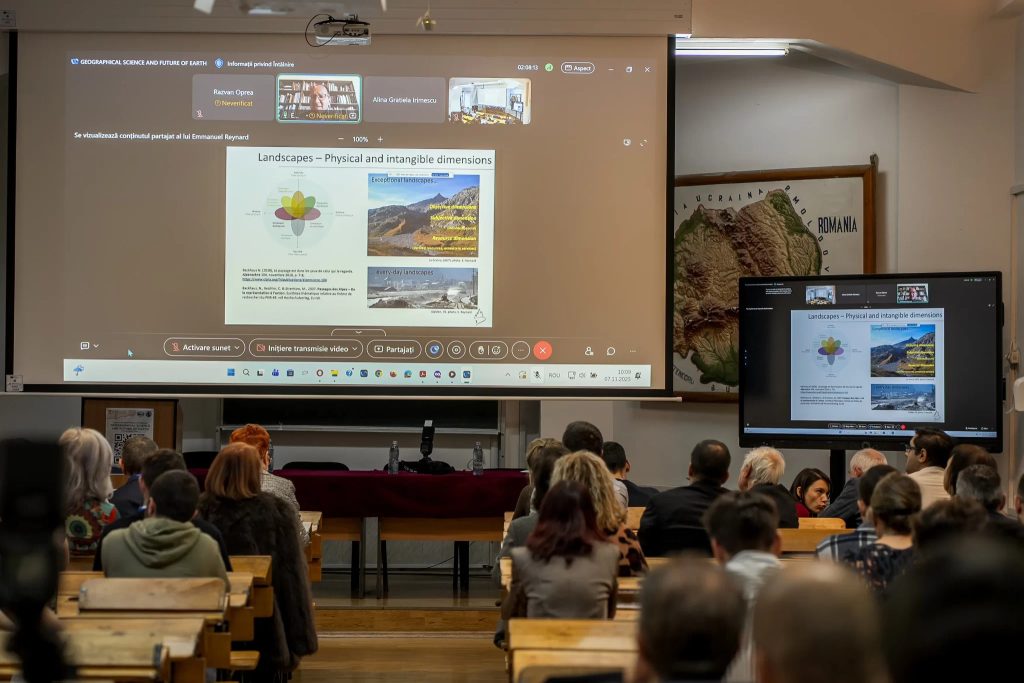
The official opening took place in the Mehedinți Amphitheater, in the presence of the leadership of the University of Bucharest, international guests and numerous participants from Romania, Switzerland, Germany, the Republic of Moldova, France and Algeria.
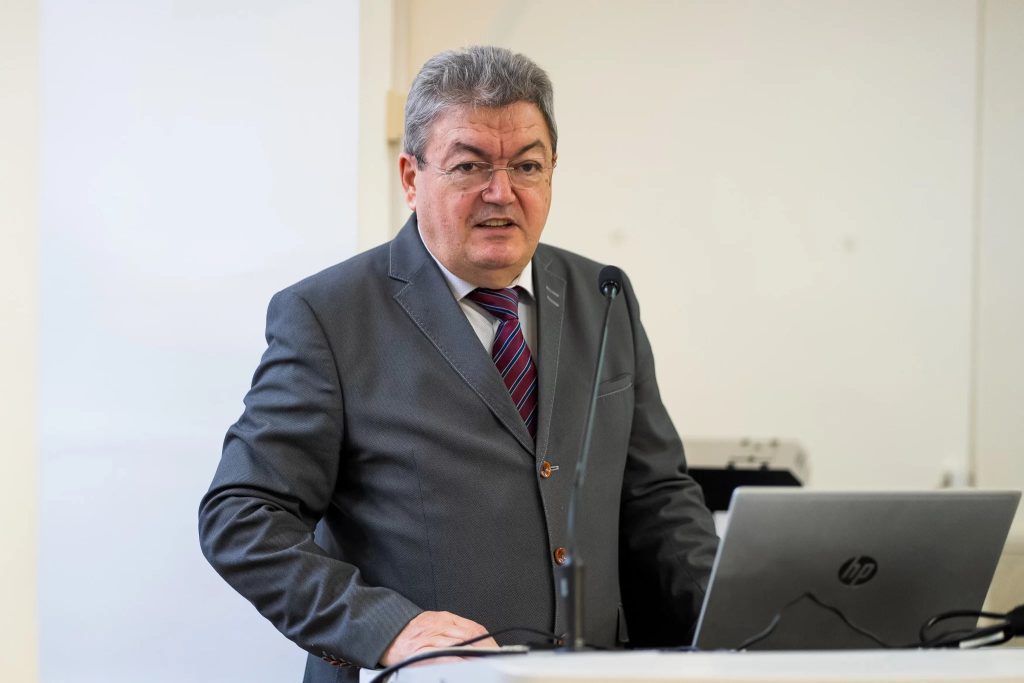
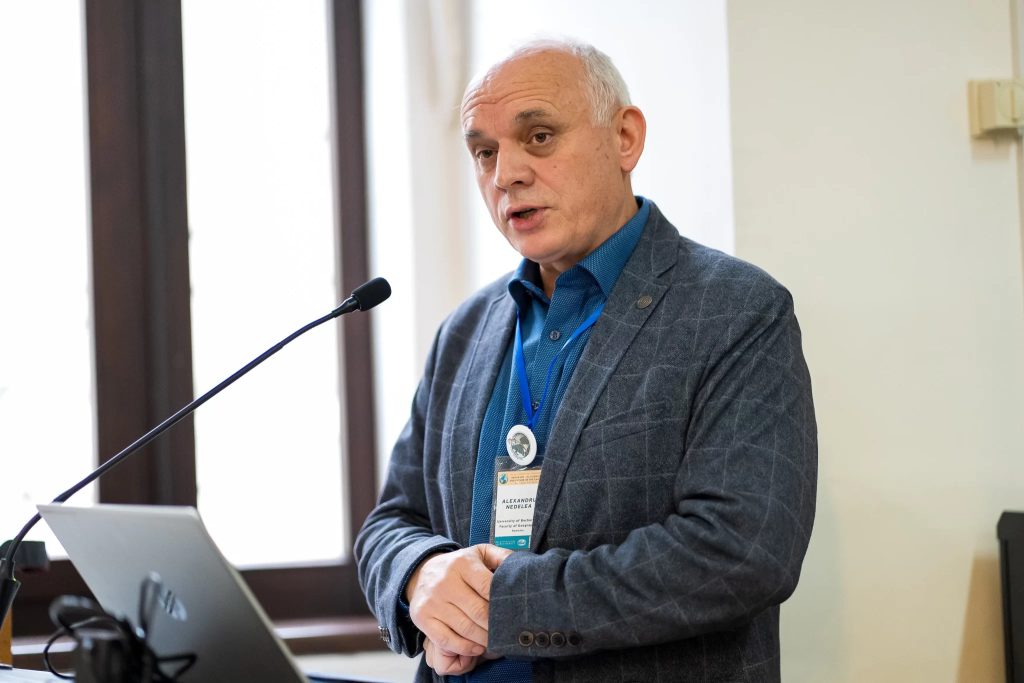
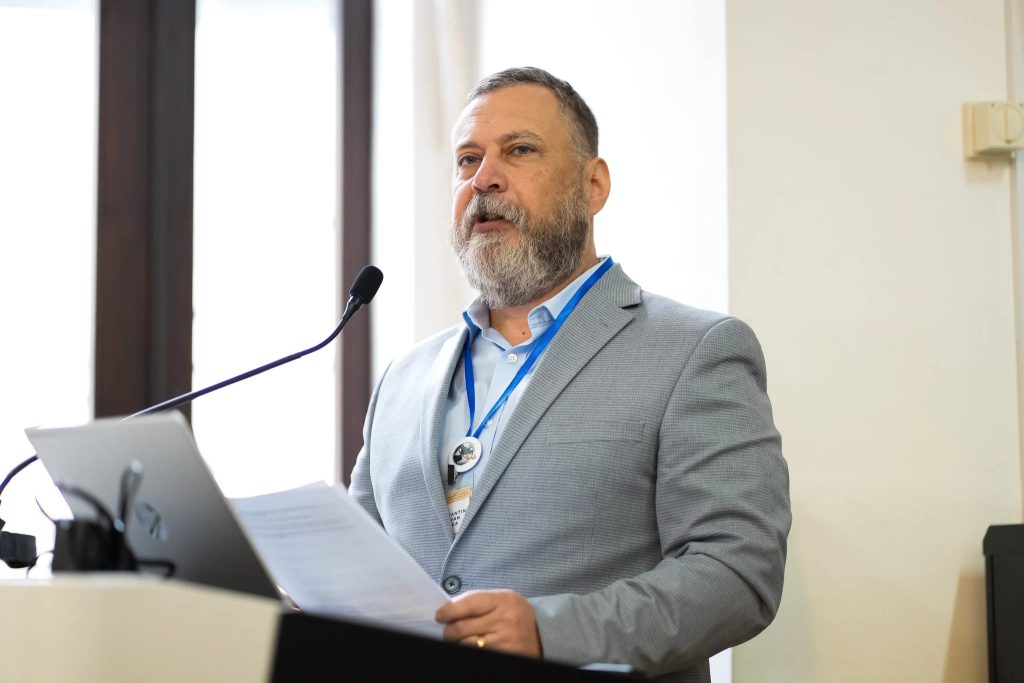
The inaugural ceremony was opened by Prof. Dr. Marian Preda, Rector of the University of Bucharest, Prof. Dr. Laura Comănescu, Vice-Rector for Study Programming and Student Practice of the University of Bucharest, Prof. Dr. Alexandru Nedelea, Dean of the Faculty of Geography, Assoc. Prof. Dr. Constantin-Răzvan Oprea, Director of the Department of Geomorphology–Pedology–Geomatics.
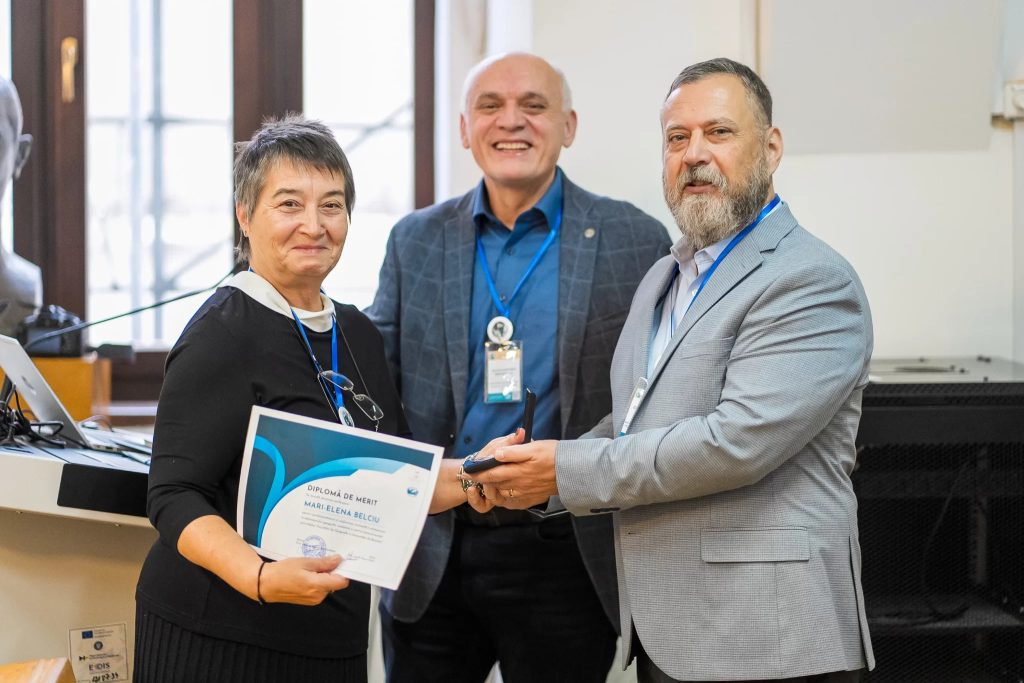
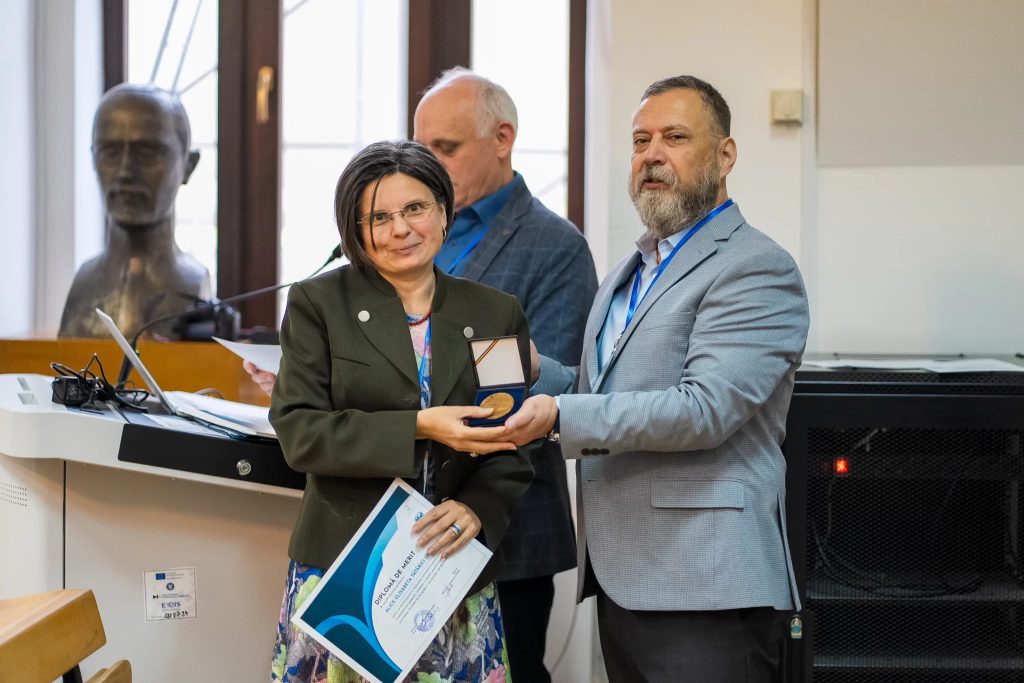
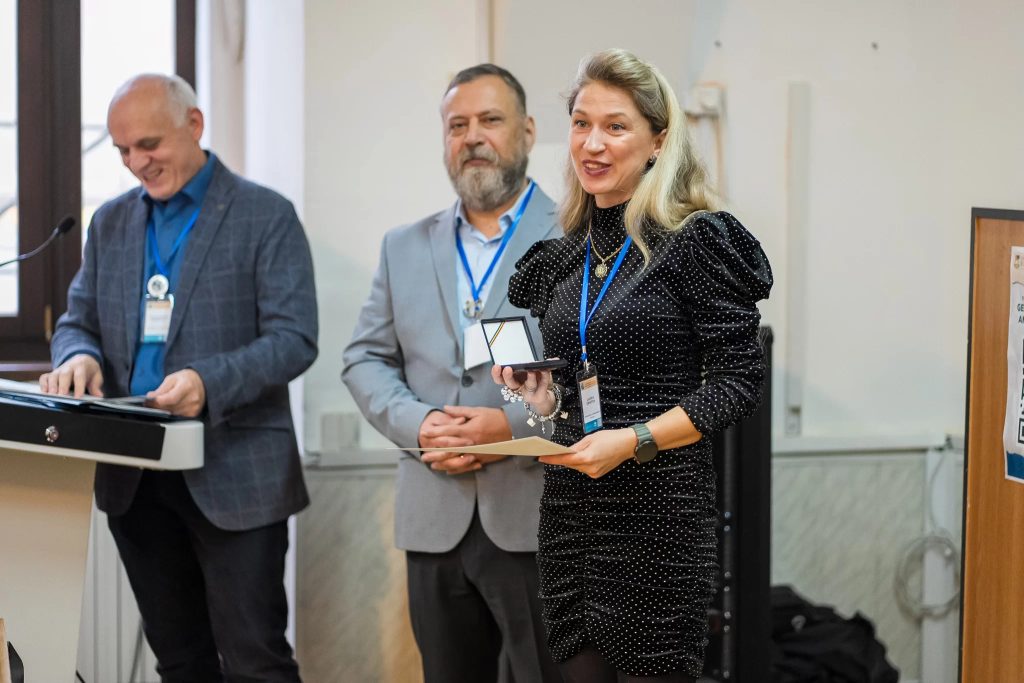
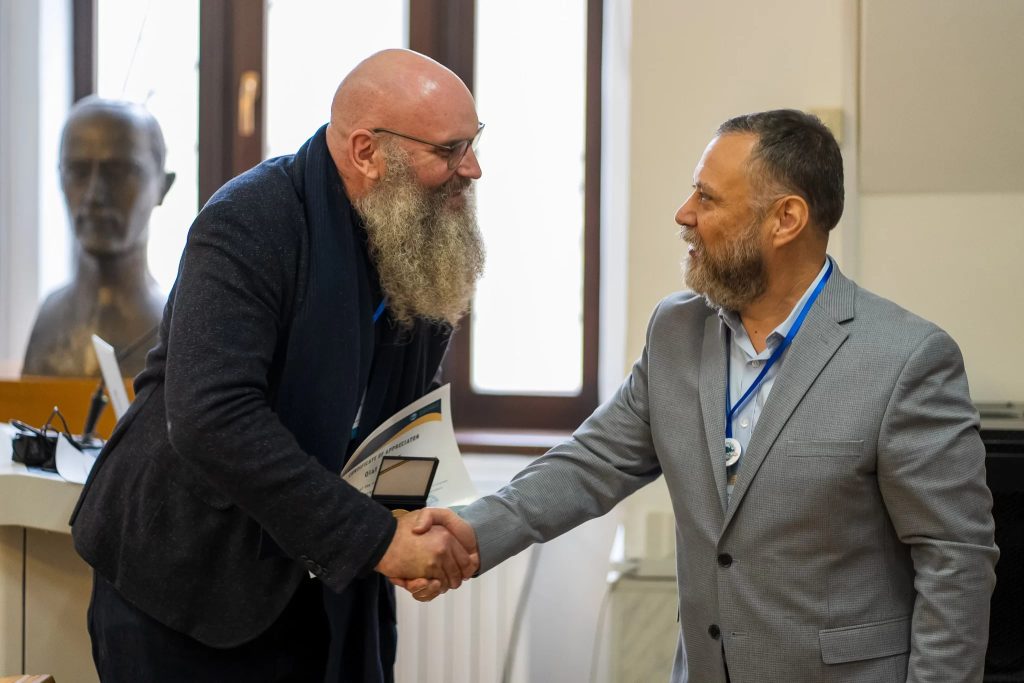
During the ceremony, diplomas and medals were awarded to pre-university professors who have significantly contributed to the promotion of the Faculty of Geography.
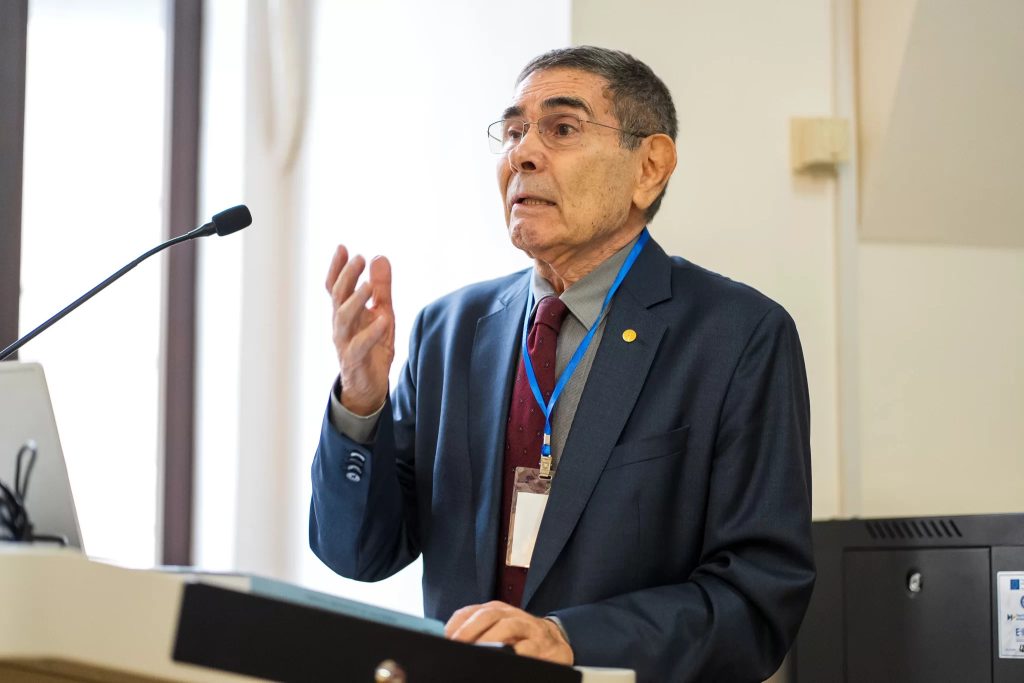
The scientific program of the conference began with two plenary communications of high academic standing, delivered by Prof. Dr. Emmanuel Reynard (University of Lausanne, Professor honoris causa of the University of Bucharest), with the topic “Mountain agricultural landscapes: how geography can contribute to the management of their heritage values?”, and by Prof. Dr. Olaf Kühne (University of Tübingen), with the presentation “Defying different paradigms – neopragmatism as a unifying theory between physical and human geography?”. The two distinguished guests received diplomas and medals in recognition of their remarkable contribution to the development of academic relations with the Faculty of Geography of the University of Bucharest.
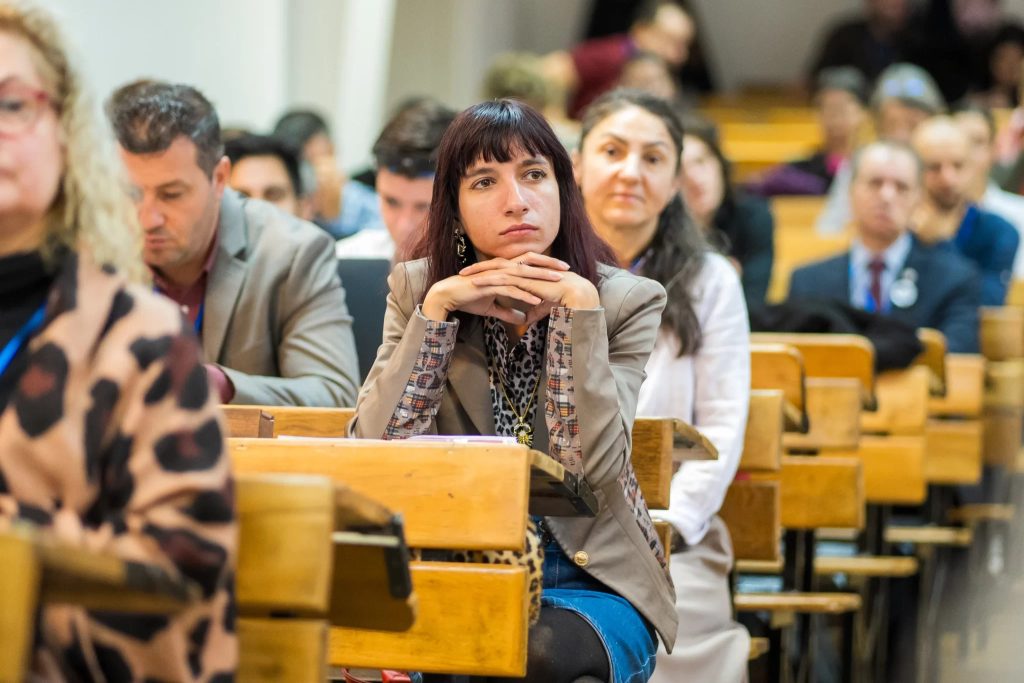
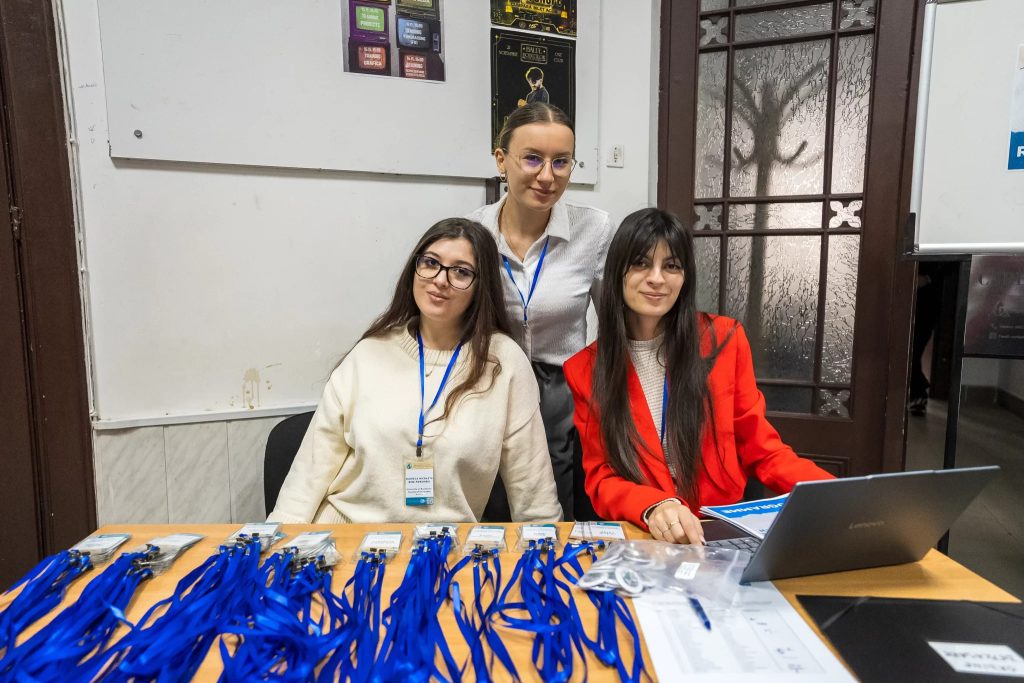
This year’s edition brought together 279 participants and included 130 scientific communications (oral and poster) held in two working stages, which favored scientific dialogue and interdisciplinary collaboration.
The parallel sessions of the conference addressed the following thematic directions:
- Applied Geomorphology from Landscapes to Land Use
- Water – Society – Environment
- Monitoring Weather and Climate to Reduce Their Impacts and Effects
- Recent Dynamics and Challenges of Territorial Economic and Social Processes
- Challenges of Environment and Human Dimension
- Teaching Geography
- Workshop: Healthscapes in Transition: Geography, Inequality, and Systemic Resilience
The conference ended with a closing ceremony during which the conclusions of the event were presented and thanks were extended to all participants, emphasizing the importance of international academic cooperation and the continuity of geographical research.